
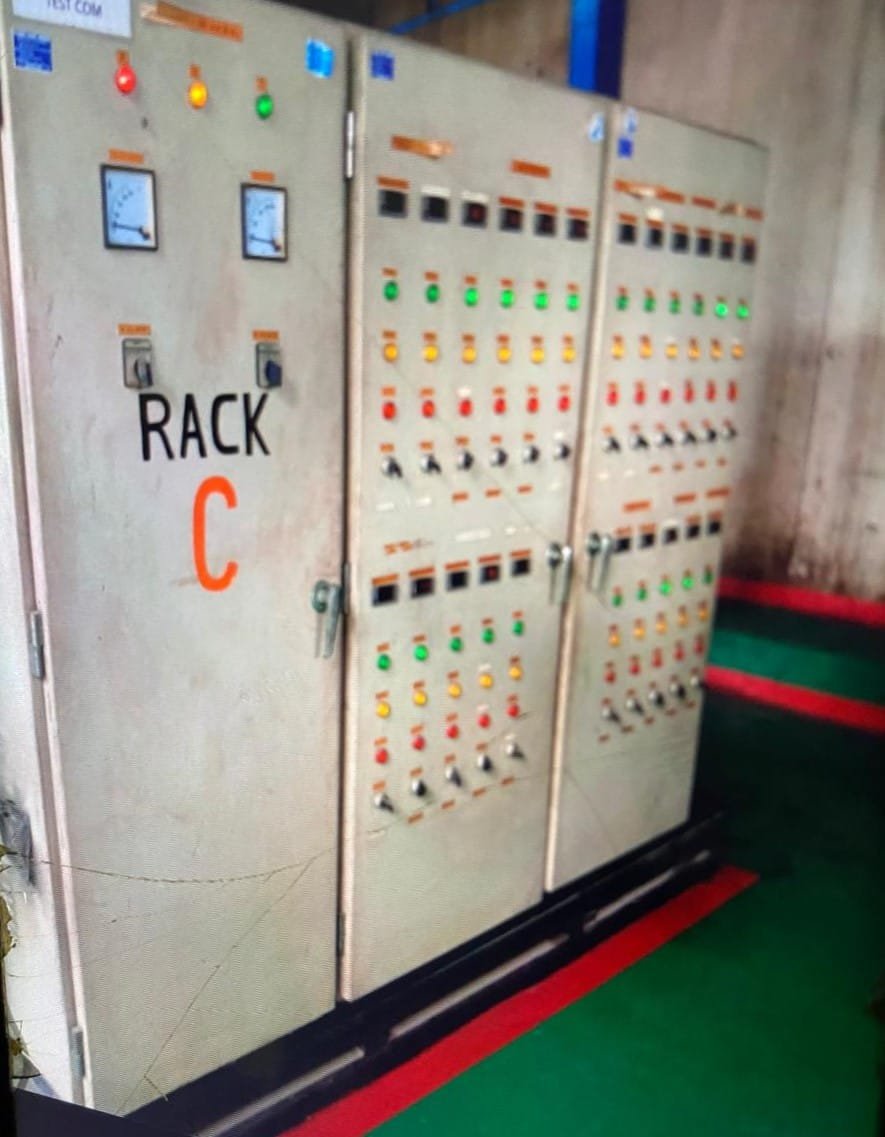
Most biological products and vaccines are stored between +2 °C and +8 °C. The range is narrow, and excursions do not always leave a visible mark on the packaging or the product. Control therefore rests on data rather than observation.
One thermometer on the wall does not represent the room
Temperature inside a storage room is not uniform. Points near the door, near the evaporator, and in corners away from airflow can differ by several degrees. Sensor placement therefore needs to follow a temperature mapping exercise — measurements at many points to find the warmest and coldest locations, which then become the fixed monitoring points.
What must be in place
- Continuous, stored temperature logging — not manual readings taken a few times a day.
- Alarms that sound when temperature leaves the range, including outside working hours.
- Backup provision — a second cooling unit and/or emergency power — so temperature holds when the primary unit stops.
- Temperature mapping and commissioning records, retained as audit references.
- A written procedure for handling temperature excursions when they occur.
The points most often missed
Two situations produce excursions most often: loading and unloading, when doors stay open and warm air enters; and power outages, when nobody is tracking how long temperature holds before crossing the limit. Both need to be designed for, not dealt with after the fact.
A closing note
Detailed requirements change and vary by product type. Before building or upgrading a storage room, have your design checked against CDOB requirements and the rules applying to the products you handle.